
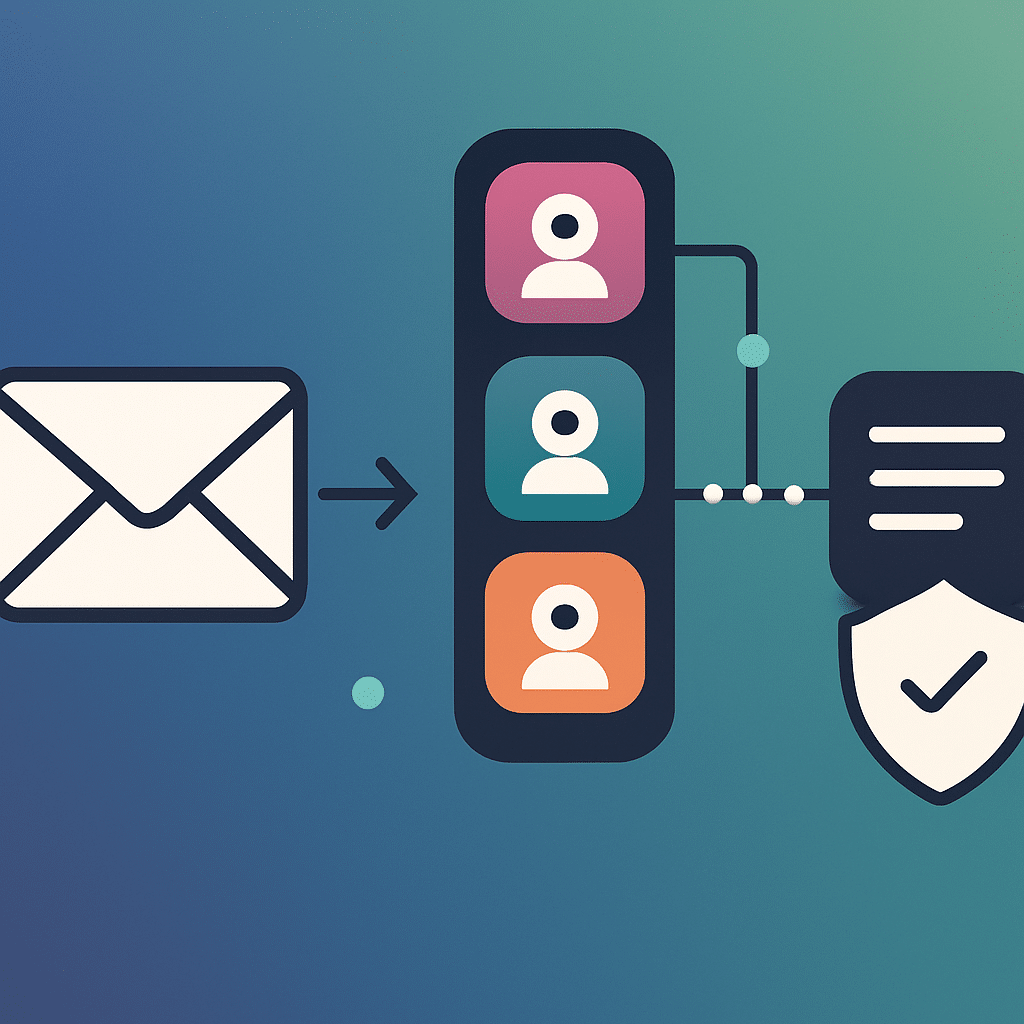
The inbox has never been more crowded—or more full of possibilities. While batch-and-blast emails still fill space, they rarely move the needle. Today, the winners blend segmentation, automation, and personalization to send the right message, to the right person, at the right time. Done well, email becomes a high-ROI engine that strengthens relationships and drives measurable growth.
This guide reimagines email marketing for busy teams. You’ll learn how to design meaningful segments, automate lifecycle journeys that feel human, and personalize at scale without crossing the line into creepiness. Along the way, we’ll cover data quality, compliance, measurement, and practical playbooks you can launch in 90 days.
Table of Contents
- Why Email Marketing Needs a Reboot
- Smarter Segmentation Strategies
- Automation That Feels Human
- Personalization at Scale, Not Creepiness
- Data Quality, Privacy, and Compliance
- Measurement Beyond Opens
- Ready-to-Use Playbooks and Examples
- Tools and Tech Stack Considerations
- Putting It All Together: A 90-Day Plan
- Conclusion
- Frequently Asked Questions
Why Email Marketing Needs a Reboot
Email remains one of the highest-return channels, but the game has changed. Privacy features (like mail privacy protection), shifting consumer expectations, and the rise of AI-generated content mean relevance—not volume—wins. Opens are less reliable; engagement and revenue are the new north stars.
Reimagining email is about integration and intent. Segmentation ensures you speak to meaningful groups, automation delivers timely messages triggered by behavior, and personalization makes each touch feel crafted for the individual. This three-part system compounds results.
Smarter Segmentation Strategies
Segmentation is more than demographics; it’s about intent, value, and lifecycle. Start simple, then refine as your data improves.
Build meaningful segments
- Lifecycle stage: new subscribers, active customers, lapsed customers.
- Engagement level: highly engaged, at-risk, inactive.
- Intent signals: browsed category X, abandoned cart, downloaded guide.
- Value tiers: RFM (recency, frequency, monetary) or predicted customer lifetime value.
Use progressive profiling
Ask for only essential details at signup, then enrich profiles over time with preference centers, surveys, and behavioral data. Each interaction should help you serve more relevant content later.
RFM and value-driven segments
RFM and predicted value tiers help tailor offers and frequency. High-value, recent buyers might receive VIP previews and early-access messages, while lapsed segments get win-back incentives and social proof.
B2B segmentation cues
For B2B, layer firmographics (company size, industry, role) with intent (content consumed, product pages viewed). Align segments to funnel stages and map messages to pains and outcomes.
Automation That Feels Human
Automation should reduce manual work without sacrificing empathy. Focus on events that matter and design journeys with guardrails.
Triggers that matter
- Signup/welcome: set expectations, deliver value fast, invite reply.
- Browse and cart events: helpful nudges with context, not pressure.
- Lifecycle: re-engage inactive users or celebrate milestones.
- Post-purchase: how-to content, cross-sell where relevant, feedback requests.
Design lifecycle journeys
Map the customer path: awareness, consideration, purchase, adoption, loyalty. Each stage gets its own automated flow with purpose, timing, and exit criteria. Avoid overlap by setting priorities and mutual exclusions.
Cadence, throttling, and fail-safes
- Frequency caps: limit daily/weekly sends to prevent fatigue.
- Suppression logic: pause promos during support issues or after a complaint.
- Human moments: add plain-text notes or invitations to reply where appropriate.
Recovery and QA
Build error handling: what happens if a data field is missing? Use defaults and conditional logic. Test every branch, and schedule regular audits to retire or refresh underperforming paths.
Personalization at Scale, Not Creepiness
Personalization should be useful, not intrusive. Start with helpful context and expand into dynamic content blocks as your data matures.
Dynamic content building blocks
- Merge fields beyond first name: location, product category, role.
- Conditional modules: show/hide sections based on segment or behavior.
- Templates: modular layouts that assemble per recipient.
Recommendations that make sense
Use browsing or purchase history to suggest complementary items or content. Keep it explainable: “Because you read X, you might like Y.” Offer a clear opt-out for recommendation modules.
Subject lines and send-time optimization
Test short, benefit-led subject lines and preview text. Try send-time optimization within reasonable windows, and avoid sending at odd hours that may feel invasive.
Inclusive personalization
Support alt text, readable typography, and clear CTAs. Avoid assumptions about identity or income. Personalization should respect privacy and enhance accessibility.
Data Quality, Privacy, and Compliance
Trust is the foundation of effective email. Strong consent, transparent data collection, and rigorous hygiene protect your brand and improve deliverability.
Consent and lawful basis
- Use explicit, unbundled consent in regulated regions (GDPR, etc.).
- Offer double opt-in for higher-quality lists and clearer intent.
- Log consent events and make unsubscribing frictionless.
Zero- and first-party data
Collect preferences directly from subscribers and use on-site behavior responsibly. Explain how data enhances the experience. Avoid purchasing lists.
Deliverability hygiene
- Authenticate with SPF, DKIM, and DMARC.
- Warm IPs/domains gradually, especially for new programs.
- Suppression rules for hard bounces, spam complaints, and long-term inactivity.
Retention and minimization
Keep only what you use. Set retention windows, anonymize when possible, and secure sensitive data. Audit vendors and document data flows.
Measurement Beyond Opens
With opens less reliable, orient your analytics around actions and outcomes. Tie email to revenue, retention, or other primary goals.
Core metrics to track
- Click-through rate and click-to-open rate (contextually).
- Conversion rate, revenue per recipient (RPR), and average order value (AOV).
- Unsubscribe and spam complaint rate.
- List health: growth, active rate, churn, reactivation.
Experimentation that compounds
Use structured A/B tests with one variable at a time and adequate sample sizes. Add holdout groups to measure true incremental lift. Document learnings in a shared library.
Attribution and cohort views
Pair last-click views with multi-touch or modeled attribution. Analyze cohorts by signup month, acquisition source, or first product category to understand long-term impact.
Ready-to-Use Playbooks and Examples
Steal these proven flows and adapt them to your brand and audience.
E-commerce: four-step welcome
- Day 0: Thanks + brand story + top categories. Soft ask to set preferences.
- Day 2: Social proof + best sellers by category interest.
- Day 5: Value add (fit guide, care tips) + browse-based recommendations.
- Day 7: Limited-time incentive for first purchase (exclude if already converted).
SaaS: onboarding series
- T0: Welcome + 3-minute quick start video + invite to reply with goals.
- T+1 day: Activate key feature A with checklist.
- T+3 days: Use case examples by role/industry.
- T+7 days: Webinar invite + community link + support options.
Nonprofit: donor nurture
- Immediately: Thank-you + impact story.
- Week 1: Behind-the-scenes update + volunteer opportunities.
- Week 3: Program outcomes + transparent budget use.
- Week 5: Recurring donor invitation with clear impact per dollar.
Media: newsletter growth
- Welcome: What to expect + top five articles by interest tag.
- Week 1: Curated content bundles (beginner, advanced, trends).
- Week 2: Survey for topic preferences + referral program.
- Ongoing: Weekly digest + one deep-dive feature; test cadence by engagement.
Tools and Tech Stack Considerations
Your platform should empower segmentation, automation, and personalization with reliability and scale.
Must-have ESP features
- Advanced segmentation and dynamic content blocks.
- Visual journey builder with event-based triggers and suppression logic.
- Robust testing: A/B, multivariate, and holdouts.
- Deliverability tooling: inbox placement insights, dedicated IPs, reputation monitoring.
CDP vs. ESP
A customer data platform (CDP) unifies data across channels and can power downstream personalization. If your ESP supports real-time events and identity resolution, you may defer a CDP until complexity demands it.
Integrations and APIs
Prioritize native integrations with your CRM, ecommerce platform, analytics, and ad networks. Ensure webhooks and APIs can stream key events (signup, purchase, churn) in near real time.
AI assistance—use with care
AI can accelerate copy, subject line ideation, and image generation. Keep a human editor in the loop and maintain brand voice. Always review for factual accuracy and accessibility.
Putting It All Together: A 90-Day Plan
Use this lightweight plan to launch or refresh a modern email program without boiling the ocean.
Days 0–30: Audit and foundations
- Audit: map current sends, segments, and journeys; identify conflicts.
- Data: verify consent flows, set SPF/DKIM/DMARC, and clean lists.
- Segments: define 3–5 core segments (lifecycle + engagement).
- Quick wins: implement or refresh welcome and post-purchase emails.
Days 31–60: Build and test
- Automation: launch one lifecycle journey (e.g., reactivation) per week.
- Personalization: add two dynamic modules (e.g., category-based blocks).
- Measurement: set up dashboards for CTR, conversion, RPR, list health.
- Experiment: run A/Bs on subject lines and CTA framing with holdouts.
Days 61–90: Optimize and scale
- Iterate: prune underperforming paths; improve winners with fresh content.
- Expand: add recommendations or role-based content streams.
- Govern: establish frequency caps and a change log for journeys.
- Plan: roadmap next quarter’s tests and data enhancements.
Conclusion
Reimagining email is about systems, not sporadic sends. When segmentation defines audiences, automation respects timing, and personalization adds relevance, your program compounds results. Start with foundational segments and a clean welcome flow, then iterate toward advanced journeys and dynamic content. The brands that win are the ones that keep learning.
Frequently Asked Questions
How often should I email my list?
There’s no universal answer. Start with a predictable cadence (e.g., weekly or biweekly) and let engagement guide frequency. Use frequency caps and let subscribers choose preferences.
Is personalization worth it if I have little data?
Yes—begin with simple modules like category interests or role-based intros. Add a preference center and use on-site behavior to progressively tailor content.
Do I need a CDP to personalize effectively?
Not initially. Many ESPs support robust segmentation and real-time events. Consider a CDP when you need cross-channel identity resolution or complex data unification.
How do I stay out of the spam folder?
Use double opt-in, authenticate (SPF, DKIM, DMARC), maintain list hygiene, and send relevant content at a reasonable cadence. Monitor complaints and remove persistent inactives.
Leave a Reply